Overthinking is one of the most common yet least known mental habits of modern life. Almost everyone does it at some point—replaying conversations, worrying about future outcomes, analyzing decisions from every possible angle. While thinking is a powerful human ability, overthinking is what happens when that power turns against us. Instead of clarity, we experience confusion. Instead of preparation, we feel paralysis. Instead of peace, we feel mental exhaustion.
In a world that constantly demands productivity, perfection, and certainty, overthinking has quietly become a default coping mechanism. But beneath its familiar presence lies a deeper truth: overthinking is rarely about intelligence. It is about fear, control, and the inability to sit comfortably with uncertainty.
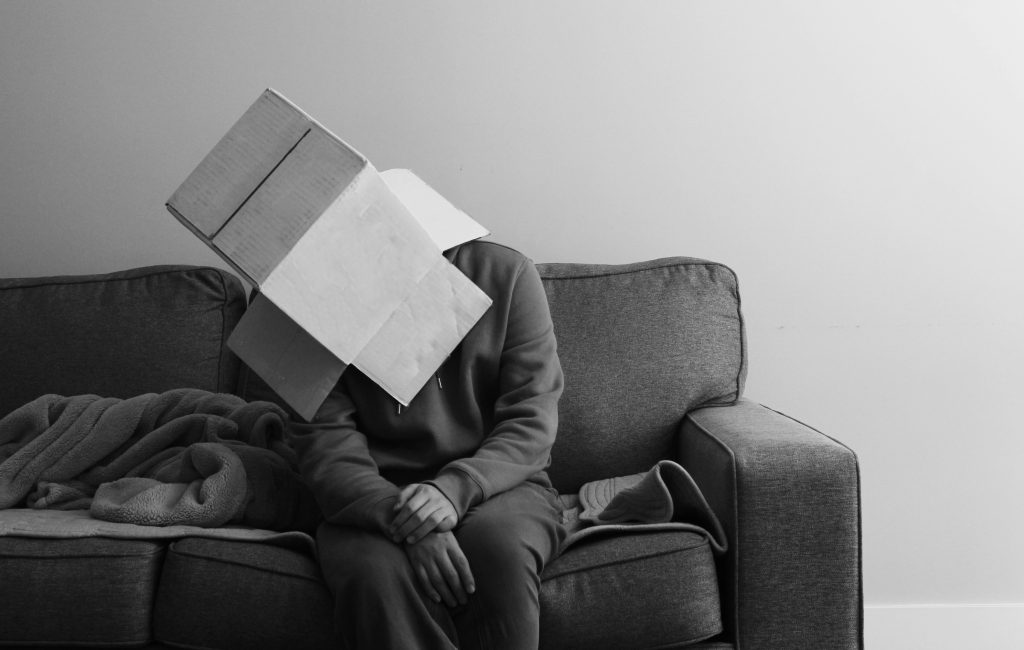
What Is Overthinking, Really?
Overthinking is not simply “thinking too much.” It is repetitive, unproductive thought that loops without resolution. It often takes two main forms:
Rumination – dwelling on the past, replaying mistakes, embarrassing moments, or “what I should have said or done.”
Worry – obsessing about the future, imagining worst-case scenarios, and predicting outcomes that haven’t happened yet.
Both forms pull us away from the present moment. One traps us in memory, the other in imagination. Neither allows us to live fully in the now.
Ironically, overthinking often disguises itself as problem-solving. We tell ourselves, “I’m just being careful,” or “I need to think this through.” But if thinking doesn’t lead to action, clarity, or peace, it may not be helping at all.
Why Do We Overthink?
Overthinking usually doesn’t come from nowhere. It is shaped by experiences, personality traits, and emotional patterns.
1. Fear of Making Mistakes
Many overthinkers are deeply afraid of getting things wrong. This fear may come from past criticism, failure, or high expectations placed on them. The mind tries to avoid pain by analyzing every possible outcome—but in doing so, it creates even more stress.
2. Desire for Control
Life is unpredictable. Overthinking gives us the illusion of control in an uncertain world. If we can mentally prepare for every scenario, maybe we won’t be surprised or hurt. Unfortunately, life rarely follows our mental scripts.
3. Emotional Sensitivity
Highly sensitive and empathetic people often overthink because they feel deeply. They analyze interactions, tones, and expressions, worrying about how others perceive them or whether they hurt someone unintentionally.
4. Unresolved Emotions
Overthinking can be a sign that emotions haven’t been processed properly. When feelings like anger, sadness, guilt, or regret are ignored, the mind keeps returning to the source, trying to “solve” an emotional problem with logic.
The Hidden Cost of Overthinking
At first, overthinking feels harmless—just thoughts. But over time, it takes a toll.
Mentally, it drains energy and reduces focus. Simple decisions start to feel overwhelming. Creativity suffers because the mind is too busy evaluating to explore freely.
Emotionally, overthinking feeds anxiety and self-doubt. The inner critic grows louder. Confidence weakens. Even happy moments are interrupted by thoughts of “what if.”
Physically, chronic overthinking can lead to tension, headaches, fatigue, and sleep problems. The body responds to constant mental stress as if it were a real threat.
Most importantly, overthinking steals presence. Life happens while we are lost in our heads. Moments pass unnoticed because the mind is elsewhere.
Overthinking and the Ego
From a psychological and slightly spiritual perspective, overthinking is closely linked to the ego—the part of us that wants validation, safety, and identity. The ego constantly asks:
How do I look?
What will happen to me?
Am I enough?
Overthinking feeds this voice. It keeps the ego busy trying to protect itself from imagined danger. In this sense, overthinking is not wisdom—it is fear dressed up as intelligence.
Many spiritual traditions point out that the mind is a tool, not a master. When the mind runs unchecked, it creates suffering. This doesn’t mean we should stop thinking, but rather learn when to step back and observe instead of engaging with every thought.
The Role of the Present Moment
One of the most effective antidotes to overthinking is presence. Overthinking cannot survive in the present moment because the present moment simply is. It doesn’t ask questions or demand explanations.
When attention returns to what is happening now—the breath, the body, the environment—the mental noise begins to soften. This is why practices like mindfulness, walking in nature, or even simple breathing exercises are so powerful. They gently pull us out of mental loops and back into reality.
From a spiritual angle, many teachings suggest that peace is not something to be achieved but something to be remembered. It exists beneath the constant chatter of the mind.
Letting Thoughts Pass Instead of Fighting Them
A common mistake is trying to force overthinking to stop. This often backfires. The mind resists suppression. The more we fight thoughts, the stronger they become.
A healthier approach is detachment—noticing thoughts without judging or believing them. Instead of saying, “Why am I like this?” try saying, “I’m having a thought about this.” That small shift creates space between you and your mind.
Thoughts are events, not facts. Just because a thought appears doesn’t mean it deserves attention or action.
Practical Tips to Reduce Overthinking
While there’s no instant cure, consistent habits can significantly reduce overthinking:
Write it out: Journaling helps move thoughts from the mind onto paper, where they lose some of their emotional charge.
Limit decision-making: Not every choice needs deep analysis. Save mental energy for what truly matters.
Take action: Overthinking thrives on inaction. Even small or baby steps break the cycle.
Set thinking time: Give yourself a specific time to think about a problem, then move on.
Ground the body: Physical activity brings awareness out of the head and into the body.
A Gentle Spiritual Reminder
From a spiritual perspective, you are not your thoughts. Thoughts come and go, but the awareness behind them remains. When you identify too strongly with the mind, every thought feels personal and urgent. When you step back into awareness, thoughts lose their power.
This doesn’t require belief, religion, or philosophy—just observation. Notice how thoughts appear without invitation and disappear without effort. That noticing itself is freedom.
Conclusion: From Overthinking to Understanding
Overthinking is not a flaw; it is a learned response. It often comes from intelligence, sensitivity, and a desire to do things right. But when left unchecked, it becomes a mental prison.
The goal is not to eliminate thinking, but to develop a healthier relationship with it. To know when to think and when to let go. To trust life a little more and the mind a little less.
Clarity does not come from thinking harder. Often, it comes from thinking less—and living more.